Yankee Stadium VIP Transportation Services

Updated: Oct 6
For a celebrity attending a game, concert, private suite engagement, or hosted appearance in the Bronx, Yankee Stadium VIP transportation services must solve a problem that begins well before the vehicle approaches East 161st Street.The real objective is not simply reaching the stadium; it is containing visibility, timing, communication, and movement across an environment that becomes progressively less controllable as event time approaches. A principal may be traveling from a Manhattan hotel, a private residence, a studio, a restaurant, or a private aviation terminal, yet every origin ultimately converges on the same dense venue perimeter.
That convergence changes the operating standard. Public attention, guest arrivals, security activity, street restrictions, mobile communication, and post-event traffic all intensify within a narrow area. A plan that appears adequate on a map may become fragile once the principal is close enough to be recognized but not yet inside a controlled venue environment. For celebrity travelers and the advisors protecting them, the decisive question is therefore not which vehicle looks appropriate. It is whether the transportation plan preserves control at the exact moments when control is easiest to lose.
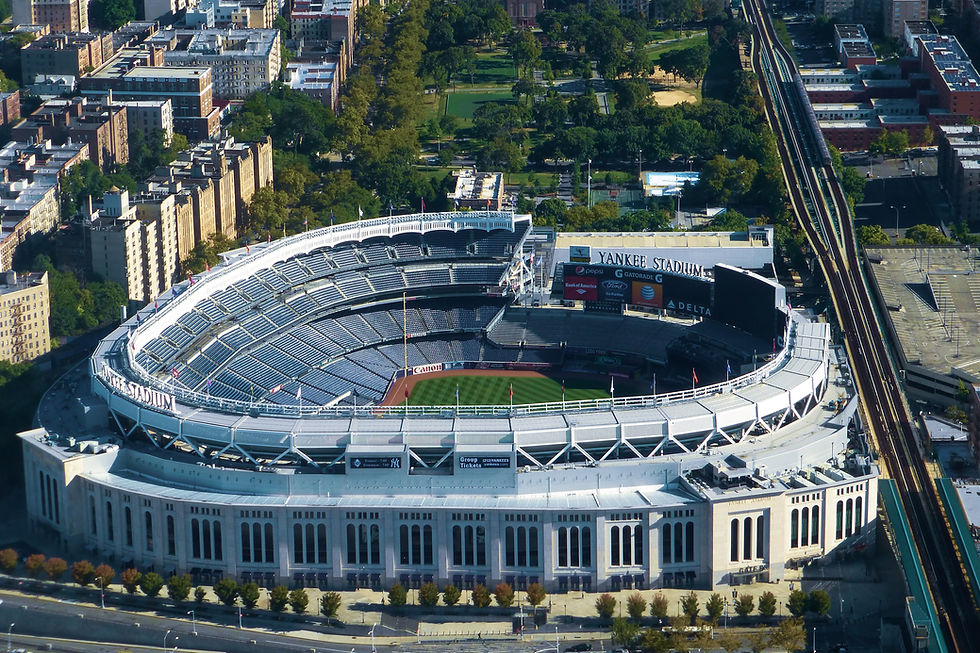
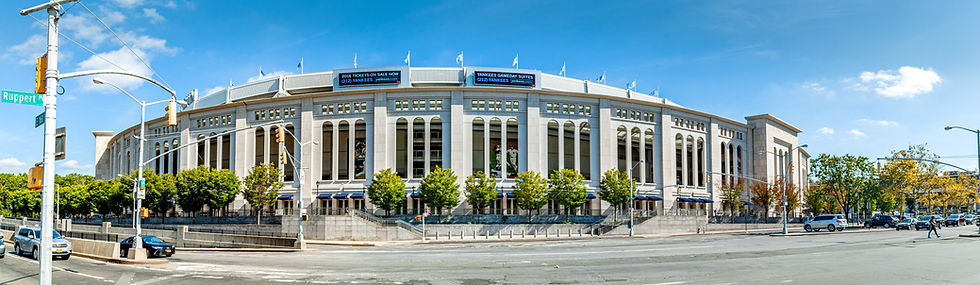
Yankee Stadium is located at One East 161st Street in the Bronx, with major public transportation infrastructure immediately surrounding the venue. The MTA also operates event-oriented service to the Yankees–East 153rd Street station. That accessibility is valuable for the public, but it also means the surrounding district is designed to absorb concentrated waves of people rather than preserve a private corridor for one recognizable guest. A celebrity movement plan must account for that difference without assuming that proximity to the entrance equals operational simplicity.
Why a Punctual Arrival Can Still Fail
A celebrity arrival can fail while still being technically punctual. The vehicle may reach the district on time, yet the principal can remain exposed during a slow curb approach, an unclear handoff, an unexpected walk, or a last-minute exchange between the chauffeur, security representative, assistant, and venue contact. The arrival should be judged by the duration and quality of exposure, not only by the clock. Every additional minute spent waiting for instructions near a crowded venue increases the possibility of recognition, recording, congestion around the vehicle, or pressure on the principal.
The strongest plans reverse the usual sequence. Instead of approaching the stadium and then deciding what to do, the team defines the final movement before departure. The last several hundred feet should be treated as a controlled handoff zone with a known decision-maker, communication channel, and fallback instruction. The chauffeur should not be expected to improvise venue access while the principal is already present, and an assistant should not have to coordinate several parties simultaneously from inside the vehicle.
The core distinction is simple: ordinary event transportation ends at the venue, while celebrity transportation must remain accountable until the principal has crossed into the next controlled environment. That difference changes how timing, staffing, communication, and vehicle positioning should be evaluated. Reaching the correct street is not the same as completing the movement properly.
Principal Hierarchy Before Vehicle Capacity
Celebrity movements are rarely individual movements. Even when only one principal is attending, the operating group may include a personal assistant, manager, publicist, security professional, family member, stylist, guest, or host representative. The principal’s priority does not eliminate the needs of the surrounding party; it requires those needs to be arranged around a clear movement hierarchy. Without that hierarchy, well-intentioned coordination can delay the person everyone is trying to protect.
The most reliable structure separates the principal movement from secondary convenience. The principal’s vehicle, departure readiness, and communication chain should not depend on whether every guest has located the correct entrance, collected belongings, completed a hospitality engagement, or decided to remain longer. A celebrity itinerary becomes vulnerable when one vehicle is asked to preserve privacy, accommodate social flexibility, and transport an entire mixed-priority group at the same time. Those objectives may be compatible, but they should never be assumed to be identical.
For advisors, the practical burden is often hidden in the phrase “we will coordinate on the day.” That wording can leave the assistant carrying every unresolved decision while also managing tickets, hospitality, personal requests, security updates, and the principal’s changing preference. Concierge transportation should reduce the advisor’s live coordination load, not simply add another contact to manage. The service is most valuable when it absorbs known variables before the itinerary becomes
compressed.
Why Departure Requires Its Own Operating Plan
The highest-risk portion of a stadium engagement is often the departure. Arrival times are planned; event endings are not always experienced with the same precision. A game can extend, a hospitality commitment can run longer, a suite host may invite the principal to remain, or the principal may choose to leave before the crowd. The departure plan must protect optionality without becoming vague. “Call when ready” is not a strategy unless the chauffeur’s location, access, response time, and communication sequence have already been resolved.
At Yankee Stadium, the end of an event creates a sharp reversal of movement. Thousands of attendees begin leaving at once, streets become more constrained, mobile networks may be less reliable, and informal curb decisions become harder to execute. The principal should not become the synchronization point for the entire team. The chauffeur, assistant, security representative, and venue contact should already understand what happens if the departure is early, on schedule, delayed, or redirected.
This structure is especially important when the principal has a post-event commitment in Manhattan, a late departure from Teterboro Airport, or a next-morning schedule that makes an extended exit costly. The transportation plan is protecting the itinerary after the event, not only the event itself. A poorly controlled departure can compromise a dinner, private flight, hotel arrival, media obligation, or simply the principal’s ability to leave without unnecessary attention.
Discretion as Information Control
For a public figure, discretion is not achieved by making the vehicle invisible. In many circumstances, the vehicle will be visible by definition. Discretion is achieved by limiting unnecessary information, reducing stationary exposure, and controlling who knows the sequence of movement. The operating plan should provide each participant with what they need to execute their role, without circulating the full itinerary more broadly than necessary.
This principle becomes more important when several organizations are involved. A talent team may coordinate the principal. A venue or suite host may control credentials. Security may determine acceptable access. A hotel may manage the initial departure. A private aviation representative may be responsible for the final leg. The risk is not that any one party is unprofessional; it is that each party may be working from a different version of the plan. Transportation becomes the connective layer between those environments.
The chauffeur’s conduct also matters when the itinerary changes. A recognizable guest should not be drawn into curbside discussion, repeated confirmation calls, or visible problem-solving. Operational questions should move away from the principal whenever possible. Calm execution is not merely a service manner; it is a method of keeping attention from gathering around a moment of uncertainty.
Protecting the Full Celebrity Itinerary
Stadium transportation is often planned around a scheduled first pitch or performance time, but celebrity itineraries rarely begin with the stadium. They may include a fitting, interview, private meal, sponsor engagement, hotel departure, or aircraft arrival. The relevant timeline is the entire chain of commitments, not the published event time. A delay introduced in Midtown, SoHo, Tribeca, the Upper East Side, or at a private aviation terminal can surface later as a highly visible arrival problem in the Bronx.
The planning mistake is to assign all available buffer to the drive. That can place the principal near the stadium early without guaranteeing that the receiving environment is ready. Useful buffer must be distributed across departure readiness, route uncertainty, venue access, credential confirmation, and the final handoff. Time is only protective when the team knows what it is protecting.
A practical sequence might include a controlled departure window rather than one rigid minute, a confirmation checkpoint before the vehicle enters the venue district, and an instruction for holding or rerouting if the receiving contact is not ready. This protects the principal from becoming the person who waits while others resolve access. The schedule should absorb uncertainty away from public view. That is a different discipline from simply adding extra travel time.
The Principal Containment Model for Yankee Stadium VIP Transportation Services
A celebrity transportation plan for Yankee Stadium can be evaluated through the Principal Containment Model: Origin, Corridor, Handoff, Hold, and Recovery. The model tests whether the principal remains protected from avoidable exposure across five distinct operating environments rather than treating the journey as one uninterrupted transfer. Each stage has a separate failure mode and should have a named response.
Origin addresses departure readiness at the hotel, residence, studio, restaurant, or private aviation terminal. Corridor covers route monitoring and the timing decision for entering the stadium district. Handoff defines the controlled transition from vehicle to venue. Hold governs chauffeur positioning and communication while the event is underway. Recovery covers the principal’s exit and the protection of the next commitment. A plan is only as strong as the stage with the least clarity.
The model also gives assistants and advisors a more precise way to evaluate a provider. Instead of asking whether the company serves Yankee Stadium, they can ask how the company handles a changed entrance, an early departure, a split party, an unreachable contact, or a redirected post-event destination. Decision-stage diligence should test response logic, not polished descriptions. The aim is not to predict every disruption; it is to determine whether the operating structure remains calm when the expected sequence changes.
Comparison Matrix
Evaluation Area | Ordinary Event Transportation | General Premium Service | VIP NYC Transfers Reference Standard |
Planning objective | Complete the venue transfer | Provide a refined vehicle experience | Protect the principal’s complete movement sequence |
Arrival measure | Vehicle reaches the venue on time | Chauffeur confirms arrival | Principal enters the controlled environment with limited exposure |
Authority structure | Directions may come from several guests | Primary contact coordinates changes | One designated release and movement authority |
Venue handoff | Determined near arrival | Confirmed informally with the client | Defined contact, communication sequence, access instruction, and fallback |
Group structure | Entire party moves together | Vehicle capacity determines configuration | Principal hierarchy determines configuration |
Event hold | Chauffeur waits for notification | Chauffeur remains available | Positioning and communication are aligned to early, scheduled, or delayed departure |
Departure planning | Initiated when the event ends | Coordinated when the guest is ready | Planned before arrival with release authority and recovery options |
Information handling | Full itinerary may circulate broadly | Details shared among service contacts | Sensitive details restricted to essential operational personnel |
Itinerary changes | Managed reactively | Adjusted through the booking contact | Questions are resolved away from the principal through a defined chain |
Success standard | Transportation completed | Guest receives polished service | Privacy, authority, timing, and onward continuity remain protected |

Yankee Stadium VIP Transportation Services: Protecting Celebrity Movement Beyond the Curb
VIP NYC Transfers coordinates private transportation for celebrity travelers, advisors, management teams, and invited guests attending events at Yankee Stadium. Each plan is considered in relation to the principal’s schedule, supporting party, privacy requirements, venue instructions, and onward commitments.
To request coordination, the client team may share the event date, anticipated party structure, origin, approximate schedule, and any relevant security or venue-contact requirements. The itinerary can then be reviewed with discretion and clear operational judgment.
Frequently Asked Questions
What should celebrity teams confirm before reserving Yankee Stadium VIP transportation services?
They should confirm the principal’s origin, supporting party, event schedule, venue or hospitality contact, acceptable walking distance, security involvement, expected departure flexibility, and onward destination. These details establish the movement hierarchy and determine where operational responsibility changes hands.
How early should a celebrity depart Manhattan for Yankee Stadium?
The departure should not be based on a generic drive-time estimate. It should reflect the Manhattan origin, time of day, event conditions, credential readiness, receiving contact, final access instructions, and the principal’s tolerance for waiting near the venue. The most useful plan distributes buffer across the entire arrival sequence.
Can the chauffeur remain available if the principal leaves the event early?
Early-departure availability should be included in the operating plan before service begins. The team should understand where the chauffeur will be positioned, who is authorized to release the vehicle, how much notice is required, and what happens if venue access changes.
Should the principal and accompanying guests use the same vehicle?
That depends on guest hierarchy and departure expectations. One vehicle may be appropriate when the group will move together without compromising privacy or timing. Separate transportation may be more suitable when secondary guests could remain longer, depart elsewhere, or delay the principal.
How should transportation coordinate with personal security?
The chauffeur service and security representative should establish essential contacts, final approach instructions, the handoff point, release authority, communication sequence, and fallback procedure. Responsibilities should be clear without circulating sensitive itinerary details unnecessarily.
Is an Escalade or executive Sprinter more appropriate for a celebrity stadium appearance?
The appropriate configuration depends on the number and roles of the travelers, security positioning, personal-space expectations, luggage, entry and exit order, and whether the group may divide after the event. Vehicle selection should support the movement plan rather than determine it.
Can Yankee Stadium transportation connect directly with Teterboro Airport?
A stadium itinerary can be coordinated in relation to a private aviation arrival or departure, subject to timing, passenger requirements, terminal information, and the broader schedule. Aviation and stadium segments should be treated as one continuity plan rather than separate reservations.
What distinguishes celebrity transportation from ordinary event transportation?
Celebrity transportation accounts for recognition risk, principal hierarchy, restricted information, controlled handoffs, changing departure preferences, and the need to resolve operational questions away from the principal. Its purpose is to protect the itinerary, not simply complete the journey.


